
Keynote Speaker I
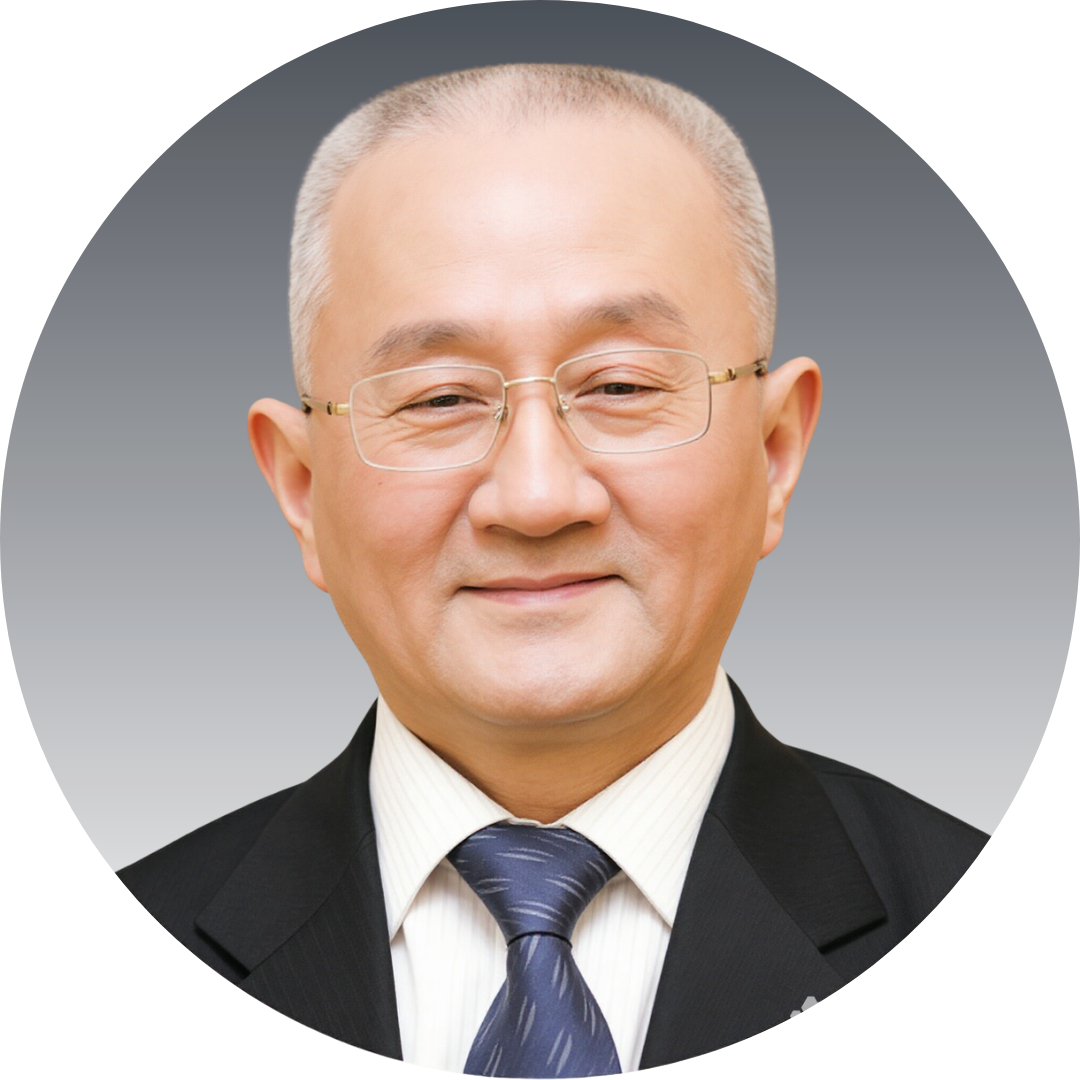
Prof. Yusheng Xue
State Grid Electric Power
Research Institute, China
Academician of CAE
Biography: In 1995, Professor Xue Yusheng was elected as an academician of the Chinese Academy of Engineering. He currently holds the position of Honorary President at the State Grid Electric Power Research Institute and serves as the Editor-in-Chief of both "Automation of Electric Power Systems" and the "Journal of Modern Power Systems and Clean Energy (MPCE)." Additionally, he is an adjunct doctoral advisor at several prestigious universities, including Zhejiang University, Southeast University, Shandong University, and Nanjing University of Aeronautics and Astronautics.
Professor Xue is renowned for his pioneering work in the field of power systems. He developed the EEAC (Extended Equal Area Criterion) theory and algorithm, which solved the global challenge of quantitatively analyzing transient stability in power systems. This method remains the only quantitative analysis technique globally to have achieved practical engineering applications. He also spearheaded the development of China's unique and globally leading large-scale blackout defense system, now widely deployed in over 80% of the provincial-level power grids in China.
Furthermore, Professor Xue proposed the Cyber-Physical-Social System of Energy (CPSSE) framework and an integrated solution for the proactive support of energy transition by power grids. This framework offers crucial theoretical support for national, regional, and corporate low-carbon transitions. Currently, he leads a team exploring carbon neutrality pathways optimization within the CPSSE framework, aiming to provide technological support for achieving China's carbon neutrality goals.
To date, Professor Xue has published five monographs and 656 high-quality academic papers in domestic and international journals. He holds 60 granted invention patents. His accolades include one National Science Conference Award, one First Prize and three Second Prizes of the National Science and Technology Progress Award, two Second Prizes of the National Technological Invention Award, a nomination for the National Book Award, a China Patent Gold Award, a China Patent Excellence Award, and the Ho Leung Ho Lee Foundation Science and Technology Progress Award. He has also been recognized as a National Expert with Outstanding Contributions among Middle-aged and Young Experts, a National Advanced Worker, and the recipient of the inaugural Jiangsu Province Outstanding Contribution in Science and Technology Award.
Speech Title: TBD
Abstract: TBD
Keynote Speaker II
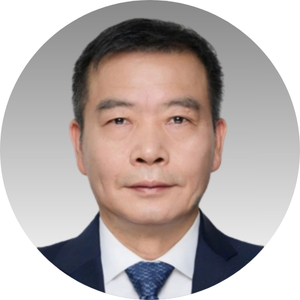
Prof. Yuping Zheng
State Grid Electric Power
Research Institute, China
Academician of CAE
Biography: Professor Yuping Zheng is an Academician of the Chinese Academy of Engineering. He currently serves as the Director of the National Key Laboratory of Power Grid Operation Risk Defense Technology and Equipment. He has long been engaged in the research, development, and industrialization of relay protection technologies and equipment. He has been honored with titles including National Candidate for the "New Century National Hundred, Thousand, and Ten Thousand Talents Project," Outstanding Science and Technology Leader of Central Enterprises, and Expert Enjoying the Special Government Allowance of the State Council. As the first principal contributor, he has won one Second-Class National Prize for Progress in Science and Technology and one Second-Class National Prize for Technological Invention. As the second principal contributor, he has won one First-Class National Prize for Progress in Science and Technology.
Speech Title: TBD
Abstract: TBD
Keynote Speaker III
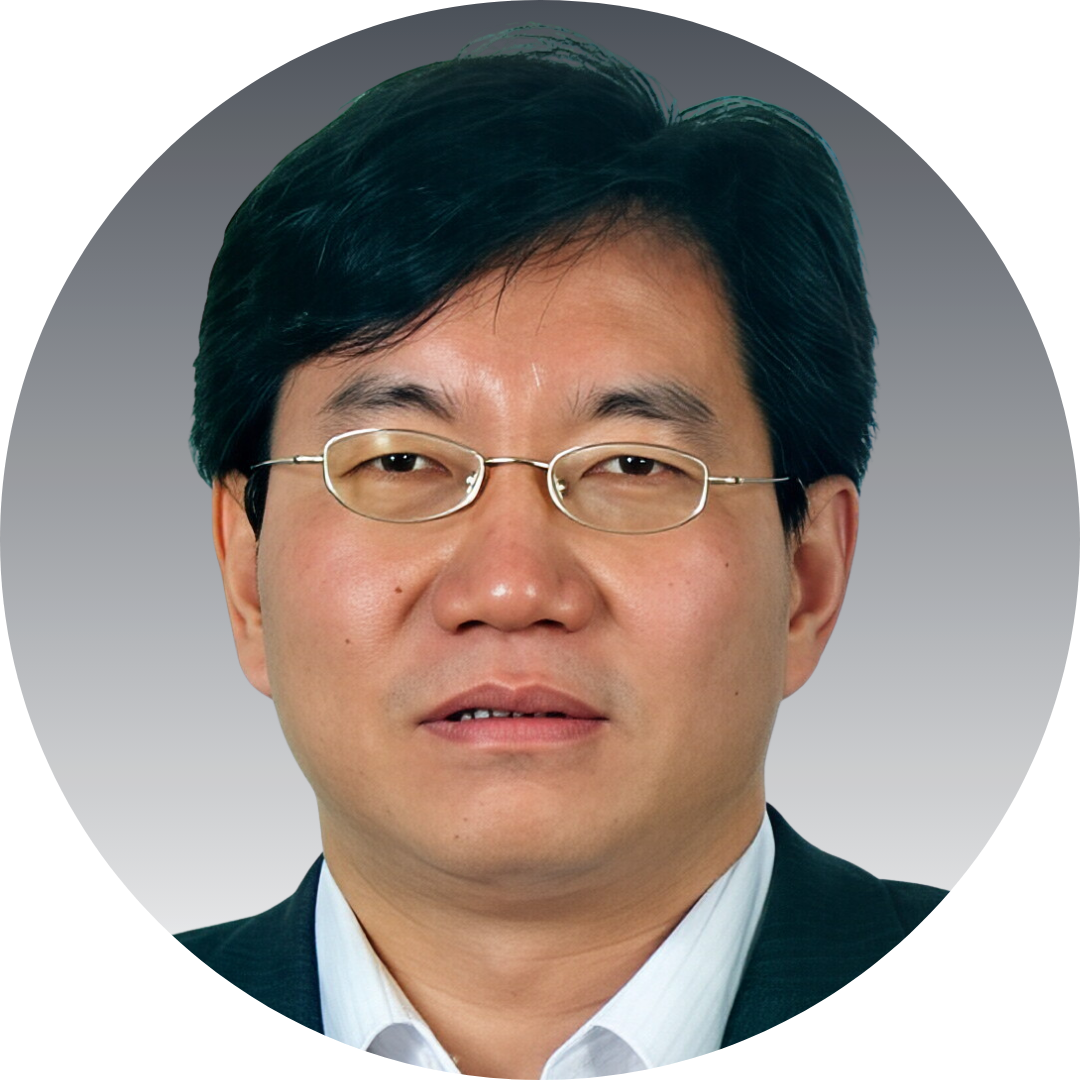 Prof. Fushuan Wen
The Chinese University of Hong Kong, Shenzhen, China
IEEE Fellow & IEEE PES Member
Biography: Fushuan Wen (Fellow, IEEE) received the B.E. and M.E. degrees in electrical engineering from Tianjin University, Tianjin, China, in 1985 and 1988, respectively, and the Ph.D. degree in electrical engineering from Zhejiang University, Hangzhou, China, in 1991. In 1991, he joined the School of Electrical Engineering, Zhejiang University, as a Faculty Member, where he has been a Full Professor, since 1997. Since 2022, he has been a Full Professor with the Hainan Institute, Zhejiang University. He is currently a research professor in The Chinese University of Hong Kong (Shenzhen). His research interests include power industry restructuring, power system alarm processing, fault diagnosis and restoration strategies, smart grids and electricity market, as well as artificial intelligence applications in power and integrated energy systems. He is the Editor-in-Chief of Energy Conversion and Economics (IET) and the Deputy Editor-in-Chief of Automation of Electric Power Systems. He serves as the editor, the subject editor, and an associate editor for several international journals. Since 2015, he has been listed in “Most Cited Chinese Researchers” in eight consecutive years by Elsevier.
Speech Title: TBD
Abstract: TBD
Keynote Speaker IV
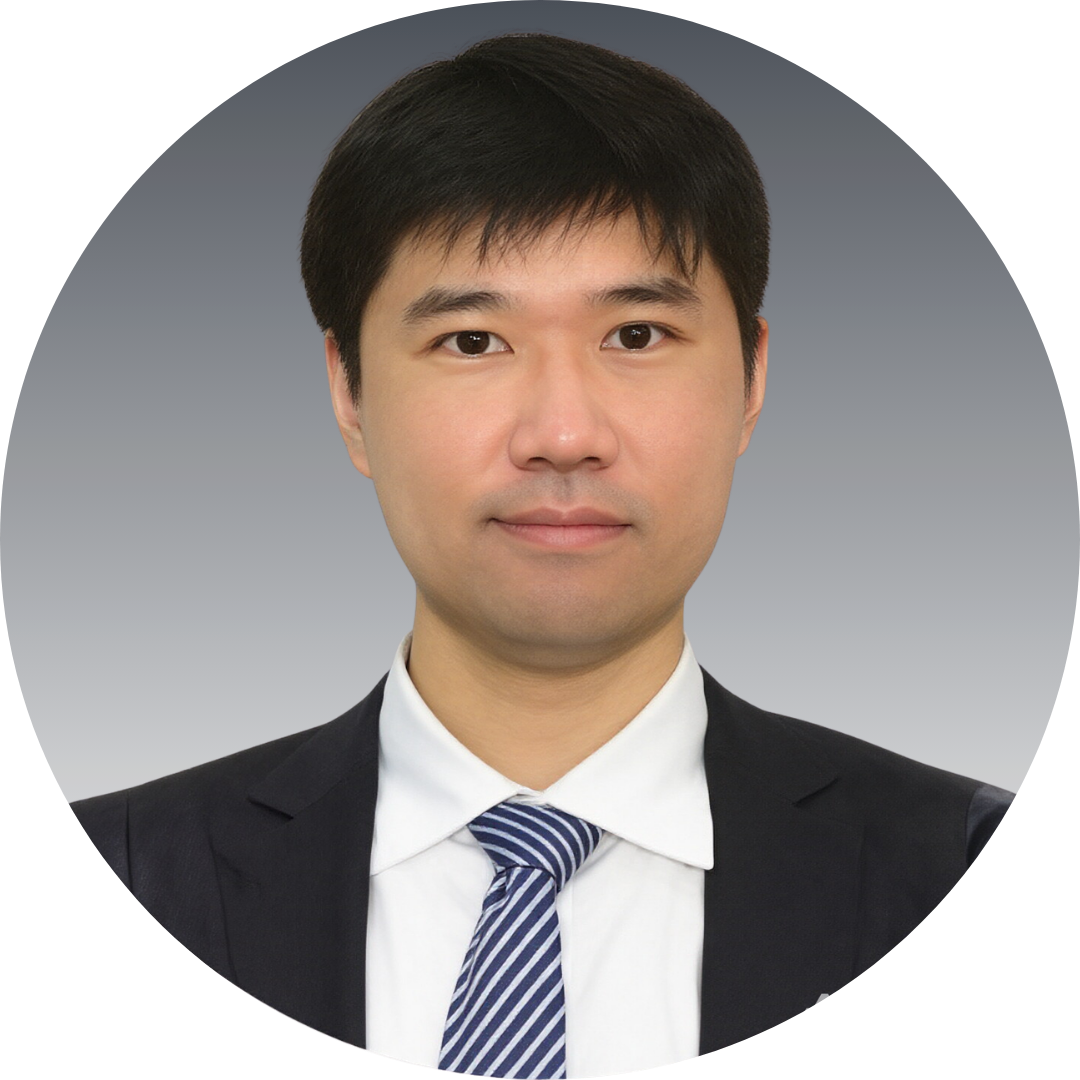 Prof. Haoran Zhao
Shandong University, China
Biography: Professor Haoran Zhao is a Doctoral Supervisor, Associate Dean of the School of Electrical Engineering at Shandong University, Assistant to the President of Shenyang University of Technology, Distinguished Professor under the Changjiang Scholars Program of the Ministry of Education, National Distinguished Young Talent, Qilu Young Scholar, and Chief Scientist of the National Major Science and Technology Project. He received his Bachelor's degree from Shandong University (2001–2005), Master's degree from Technische Universität Berlin (2006–2009), and Ph.D. degree from the Technical University of Denmark (DTU) (2010–2014). He received the Chinese Government Award for Outstanding Self-financed Students Abroad in 2014.
His long-term research interests focus on modeling and simulation of renewable power systems, digital twins and grid-integration stability analysis of renewable energy, and low-carbon optimal dispatch of integrated energy systems, through which he has achieved a series of original contributions. He received the Best Paper Award of Applied Energy in 2018. He has delivered numerous invited presentations at international conferences and workshops. He has led and participated in multiple projects under the National Key Research and Development Program of China, as well as several EU and Nordic energy research projects, and has been involved in the development of power system software products and multiple EU invention patents.
Speech Title: Wind Farm Digital Twin and Application Platform
Abstract: Faced with the challenges of multi‑physics‑field coupled modeling, multi‑scale real‑time solution and operation‑maintenance assessment brought by the large‑scale wind turbines and large‑size wind farms, this paper conducts research on the theory, key technologies and application platform of digital twins for large‑scale wind farms. To address the pain points of existing simulation tools, including insufficient model fidelity, difficulty in reflecting long‑term evolution of equipment parameters, and limited early‑warning capability for extreme operating conditions, multi‑physics‑field high‑fidelity “aerodynamic‑elastic‑mechanical‑electrical” models for wind turbines as well as fluid‑wake coupling models of wind farms are constructed. Heterogeneous‑hardware‑based real‑time simulation technologies for wind turbines, collection networks and wind‑farm fluid fields are developed, achieving microsecond‑level simulation time‑steps. A full‑life‑cycle accelerated simulation method is proposed. By fusing multi‑source sensing data from LiDAR and SCADA, online correction of digital‑twin models is realized via similarity evaluation and intelligent optimization, so as to complete load deduction and remaining‑useful‑life assessment. A digital‑twin and application platform for wind farms is established to realize virtual‑physical synchronization, condition visualization and rapid assessment of grid‑related stability. It provides technical support for simulation analysis, life‑cycle evaluation and optimized operation‑maintenance of wind farms.
Keynote Speaker V
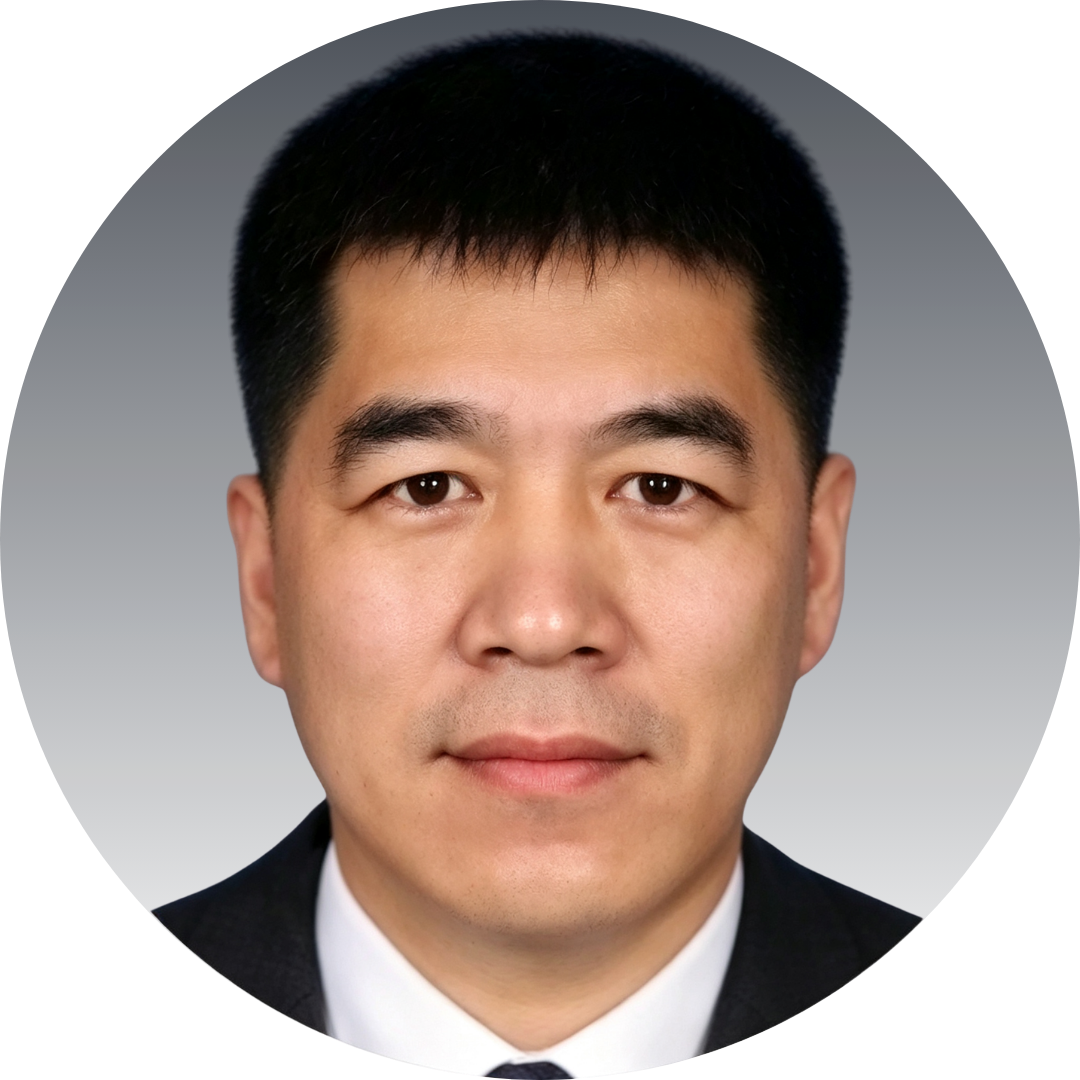
Prof. Yan Zhao
Shenyang Institute of Engineering, China
Biography: Yan Zhao is a member of the Standing Committee of the CPC Committee and Vice President of Shenyang Institute of Engineering, as well as Director of the Liaoning Provincial Key Laboratory of Regional Multi-Energy System Integration and Control. Zhao has been selected for the Hundred-Level category of Liaoning Province’s “Hundred-Thousand-Ten Thousand Talents Program,” the Young Top Talent Program of the “Revitalizing Liaoning Talents Program,” and the Outstanding Talent Program for Higher Education Institutions in Liaoning Province, and has been recognized as a Leading Talent of Shenyang. Zhao also serves as an Executive Council Member of the IEEE PES China Renewable Energy Systems Integration Subcommittee and an evaluation expert for the Liaoning Provincial Science and Technology Awards.
Zhao’s research focuses on new-type power system planning and operation and energy management in integrated energy systems. As principal investigator, Zhao has led one project funded by the National Natural Science Foundation of China, one Young Top Talent project under the “Revitalizing Liaoning Talents Program,” five provincial government-funded projects, and seven industry-sponsored projects commissioned by major electric power enterprises.
Zhao has received one Second Prize and one Third Prize of the Liaoning Provincial Science and Technology Progress Award, ranking first and second, respectively, as well as two Second Prizes of the Liaoning Provincial Teaching Achievement Award, ranking first and fifth. Zhao has published more than 50 SCI/EI-indexed papers, authored one monograph, translated one academic book, and been granted two European patents and more than 20 Chinese invention patents.
Speech Title: Key Technologies and Application Scenarios of Novel Virtual Power Plants
Abstract: This report explores the development of novel virtual power plants in response to the growing integration of renewable energy and the increasing electrification of transportation, heating, cooling, and industrial processes. It reviews relevant policies and recent technological progress in China and other countries, and discusses the role of virtual power plants in improving power-system flexibility, renewable energy consumption, and supply-demand balance. The report focuses on five key technologies: the optimal configuration of distributed multi-energy storage systems, advanced electrical and thermal energy-storage equipment, multi-timescale forecasting and normalization of diverse energy loads, optimal scheduling under electricity market mechanisms, and cloud-edge collaborative control platforms. Application scenarios include electric vehicles, heating and cooling systems, industrial steam supply, distributed photovoltaic generation, energy storage, demand response, ancillary services, and electricity market trading. Through coordinated management of electricity, heat, cooling, and steam, novel virtual power plants can reduce operating costs, enhance renewable energy utilization, support secure grid operation, and create new opportunities for energy users to participate in electricity markets.
Keynote Speaker VI

Prof. Qiuwei Wu
Tianjin University, China
Member of EASA
Biography: Qiuwei Wu, Chair Professor of Power Systems at Tianjin University, Yangtze River Chair Professor, Member of the European Academy of Sciences and Arts. His research is focused on the optimal planning, operation and control of low carbon power and energy systems, optimal control of wind power, optimal planning and operation of energy storage and green hydrogen, and artificial intelligence empowered optimal operation and control. He has attracted more than 50 M RMB research funding from the government and industry. He has published more than 600 articles, including 426 SCI indexed papers, and 7 monographs.
Speech Title: Key Technologies for Highly Resilient Operation of Urban Power Grids Integrated withMassive Distributed Energy Resources
Abstract: Urban power grids are core infrastructure for the functioning of the social economy. Their safe operation is directly tied to the normal operation of cities and the electricity supply for millions of households. Building a highly resilient urban power grid can safeguard the safe operation of megacities and advance the development of a new-type power system. The talk will cover the key technologies for resilient operation of urban power grids integrated with massive distributed energy resources, including urban power grid operation situational awareness and early warning technology, coordinated service restoration for cyber physical distribution networks using reliable control of distributed energy resources and reconfiguration of communication network, and fast service restoration of integrated transmission and distribution networks.
Keynote Speaker VII
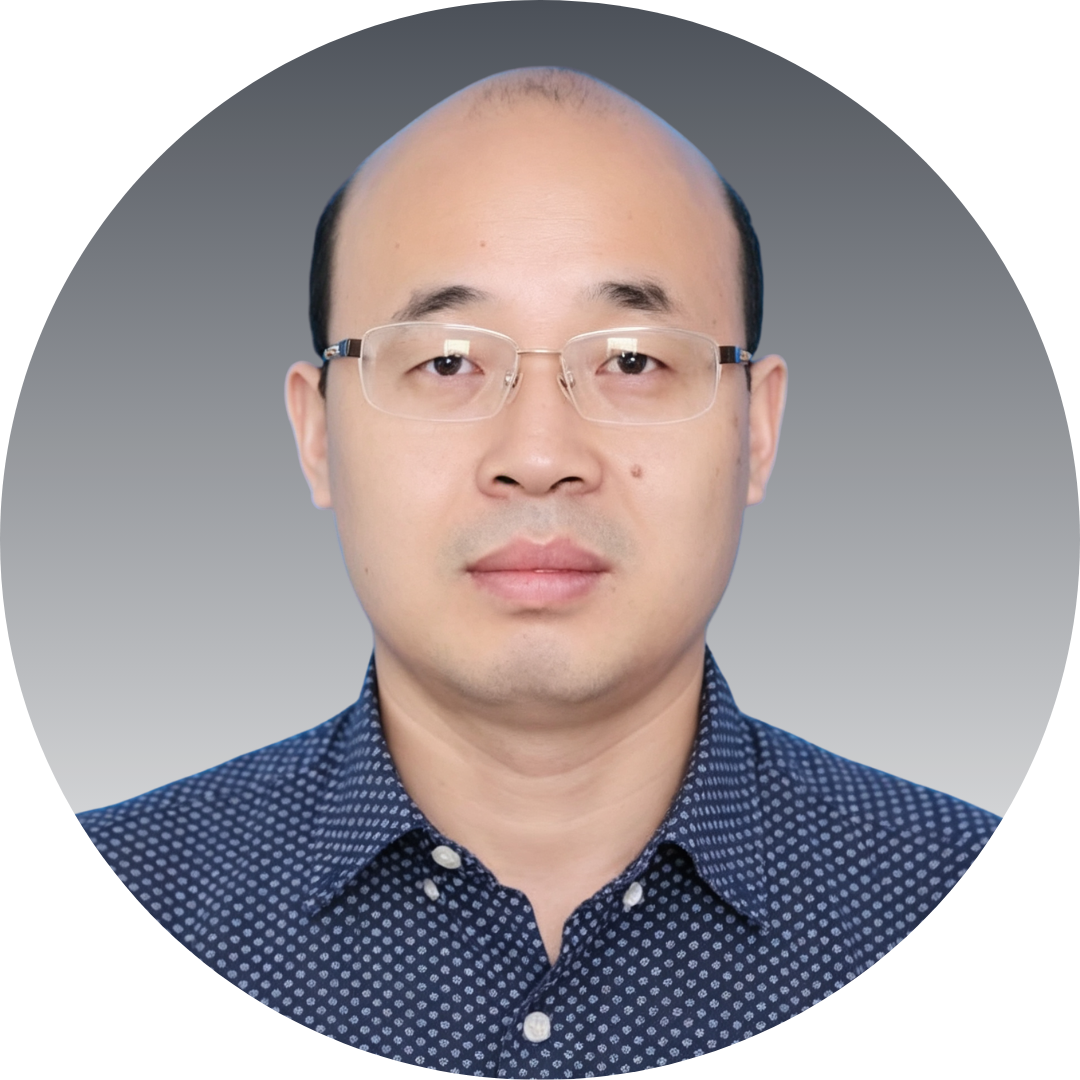 Prof. Weixing Li
Dalian University of Technology
Biography: Professor Weixing Li is a Leading Science and Technology Innovation Talent of Liaoning Province. He serves as Chair of the IEEE PES Renewable Energy Modeling Satellite Subcommittee, Expert Member of the IEC SC8A Working Group on Renewable Energy Modeling, Vice Chair of the Power System Simulation Technical Committee of the China Simulation Federation, Chair of the IEEE PES Northeast China Chapter, Vice President of the Liaoning Society of Electrical Engineering, Deputy Leader of the Large Power Grid Intelligent Analysis and Control Group of the Chinese Association for Artificial Intelligence, and Member of the Energy Internet Technical Committee of the Chinese Society for Electrical Engineering. He is also an Editorial Board Member of several SCI/EI-indexed journals, including IEEE Transactions on Industry Applications.
Speech Title: TBD
Abstract: TBD
Keynote Speaker VIII

Prof. Vladimir Terzija
Newcastle University, UK
IEEE Fellow & Humboldt Fellow
Biography: Professor Vladimir Terzija was born in Donji Baraci (Republika Srpska, former Yugoslavia). He received the Dipl-Ing., M.Sc., and Ph.D. degrees in electrical engineering from the University of Belgrade, Belgrade, Serbia, in 1988, 1993, and 1997, respectively. He is a Professor of Energy Systems & Networks at Newcastle University, UK. He is also a Distinguished Visiting Professor at Shandong and Tsinghua Universities, China, as well as a Guest Professor at the Technical University of Munich, Germany and University of Belgrade, Serbia. In the period 2021-2023 he was a Full Professor at Skoltech, Moscow, Russian Federation. In the period 2006-2020 he was the EPSRC Chair Professor at The University of Manchester, UK. From 2000 to 2006, he was a Senior Specialist for switchgear and distribution automation with ABB, Ratingen, Germany. From 1997 to 1999, he was an Associate Professor with the University of Belgrade, Belgrade, Serbia. His current research interests include smart grid applications, wide-area monitoring, protection and control, multi-energy systems, data analytics, and complexity science applications in power systems. Prof. Terzija is the Founding Editor in Chief of a new npj (nature partner journal) “Energy Systems and Resilience”, Humboldt Fellow, IEEE Fellow and the recipient of the National Friendship Award (China).
Speech Title: System Integrity Protection Schemes (SIPS) Against Cyber-Attack-Induced Cascading Outages
Abstract: This presentation examines how cyberattacks can trigger or worsen cascading outages in increasingly digitalised power systems. It focuses on System Integrity Protection Schemes (SIPS), particularly controlled islanding, as an emergency strategy for limiting disturbance propagation. It distinguishes blackouts, as the final widespread loss of supply, from cascading outages, as the dynamic sequence of dependent failures shaped by operating conditions, topology and uncertainty. The role of WAMS, PMUs, synchrophasor data and communication infrastructure is discussed, highlighting both improved situational awareness and increased cyber-physical vulnerability. Representative attacks include false data injection, malicious RTU reprogramming and compromised software. Simulation studies compare system behaviour with and without controlled islanding. Results show that intentional islanding can reduce cascade extent, preserve service in retained areas and improve resilience against cyber-induced cascading failures.
Keynote Speaker IX

Prof. Kai Strunz
Technische Universität Berlin, Germany
IEEE Fellow
Biography: Kai Strunz received the Dr.-Ing. degree with summa cum laude from Saarland University, Germany. From 1997 to 2002, he was a research engineer with the R&D Division of Electricité de France (EDF) in Paris. From 2002 to 2007, he was a tenure-track Assistant Professor of electrical engineering with the University of Washington, Seattle, WA, USA. Since 2007, he has been a full Professor of Sustainable Electric Networks and Sources of Energy at TU Berlin in Germany. He is member of the supervisory boards of several companies in Berlin.
Dr. Strunz is a Fellow of the IEEE. He is Chair of the IEEE PES Committee on Energy Development and Power Generation, the Co-Chair of the IEEE PES Working Group on Dynamic Performance and Modeling of HVDC Systems and Power Electronics for Transmission Systems, and a past member of the IEEE PES Technical Council. He was the Chairperson of the Conference IEEE PES Innovative Smart Grid Technologies (ISGT) Europe in 2012. On behalf of the Intergovernmental Panel on Climate Change (IPCC), he acted as the Review Editor of the Special Report on Renewable Energy Sources and Climate Change Mitigation. He received the National Science Foundation CAREER Award in 2002 and the IEEE PES Prize Paper Award in 2015, 2023, and 2025.
Speech Title: Grid-Forming Converters and Resources for 100 % Renewable Power Systems
Abstract: The concept and development of the grid-forming resource (GFR) is presented here as an enabler for a system-wide integration of 100 % renewable energy sources (RESs) in power systems. The GFR brings together and integrates both the control technologies of the renewable power resource and the grid-forming (GFM) converter. The GFR is shown to be practical in offering inertial response emulation and frequency control based on droop characteristics to maintain power balances rapidly. A virtual impedance is employed to damp electric network transients, and the usage of phase-locked-loop (PLL) technology is not needed. The integration of the control of wind energy conversion systems (WECSs) creates a grid-forming wind park as the prototype of the GFR. Feedforward signals exchanged between grid and resource-side controls enhance fast overall controllability. The principal claims are substantiated for a European scenario example with the Irish power transmission system in the focus. The model comprises more than 2000 individual WECSs grouped into wind parks, where ten wind parks function as GFRs. The transient behavior of this scenario comprising 100% converter-interfaced generation is shown to be similar compared with a counterpart case comprising synchronous machinery. The results validate the fact that GFRs with their proposed controls are expected to be key elements in creating a renewable and secure electric power system.
Keynote Speaker X
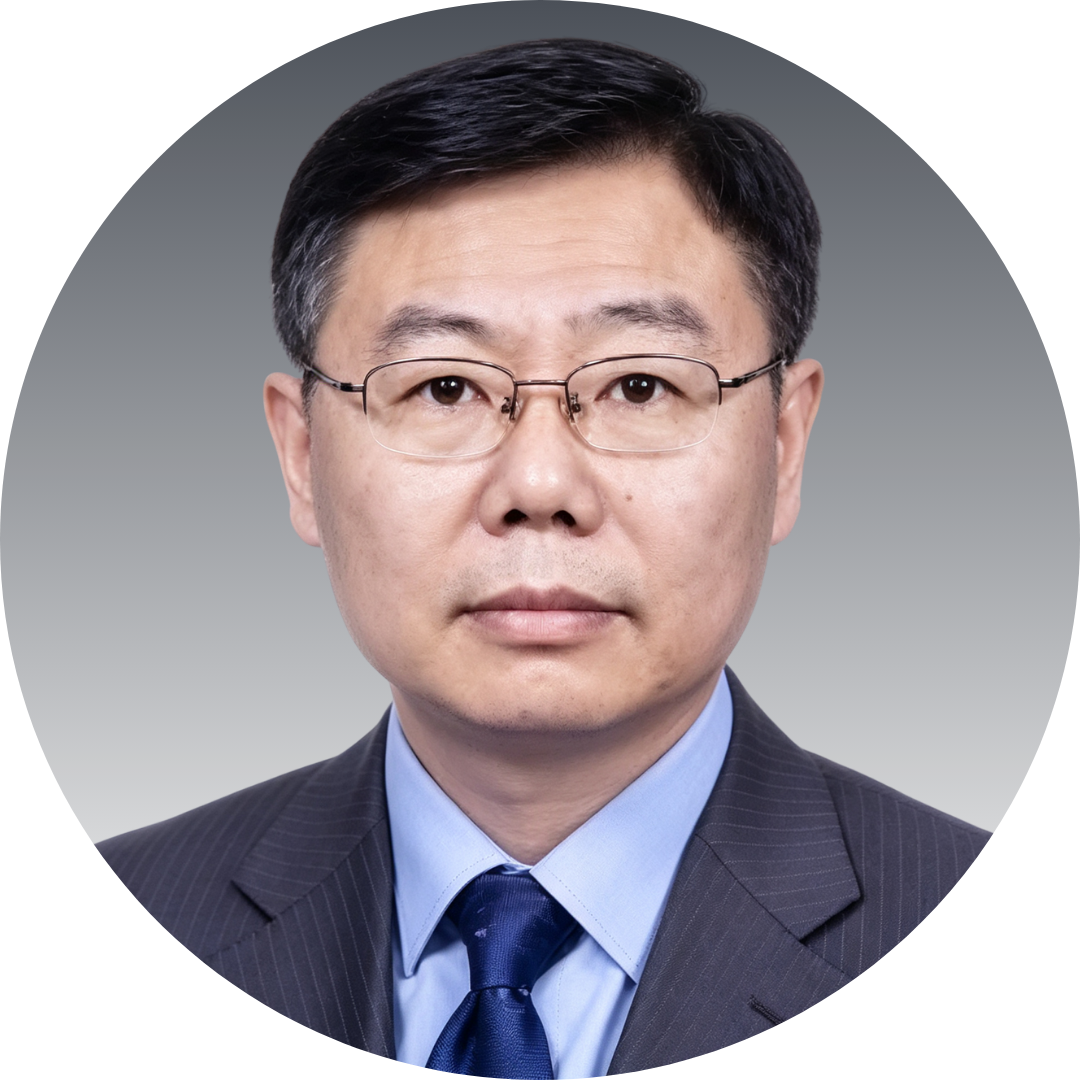 Prof. Pei Zhang
Tianjin University, China
IEEE Fellow
Biography: Pei Zhang (Fellow, IEEE) received the Ph.D. degree from the Imperial College of Science, Technology and Medicine, London, U.K. He is currently a Professor with Tian University, Tianjin, China. His research focuses on power system planning and operation including reliability assessment, stability and control, system restoration, risk assessment. His current research interests include application of data mining and machine learning technologies into system operation and planning. He is an AAIA Fellow and CSEE Fellow.
Speech Title: TBD
Abstract: TBD
Keynote Speaker XI
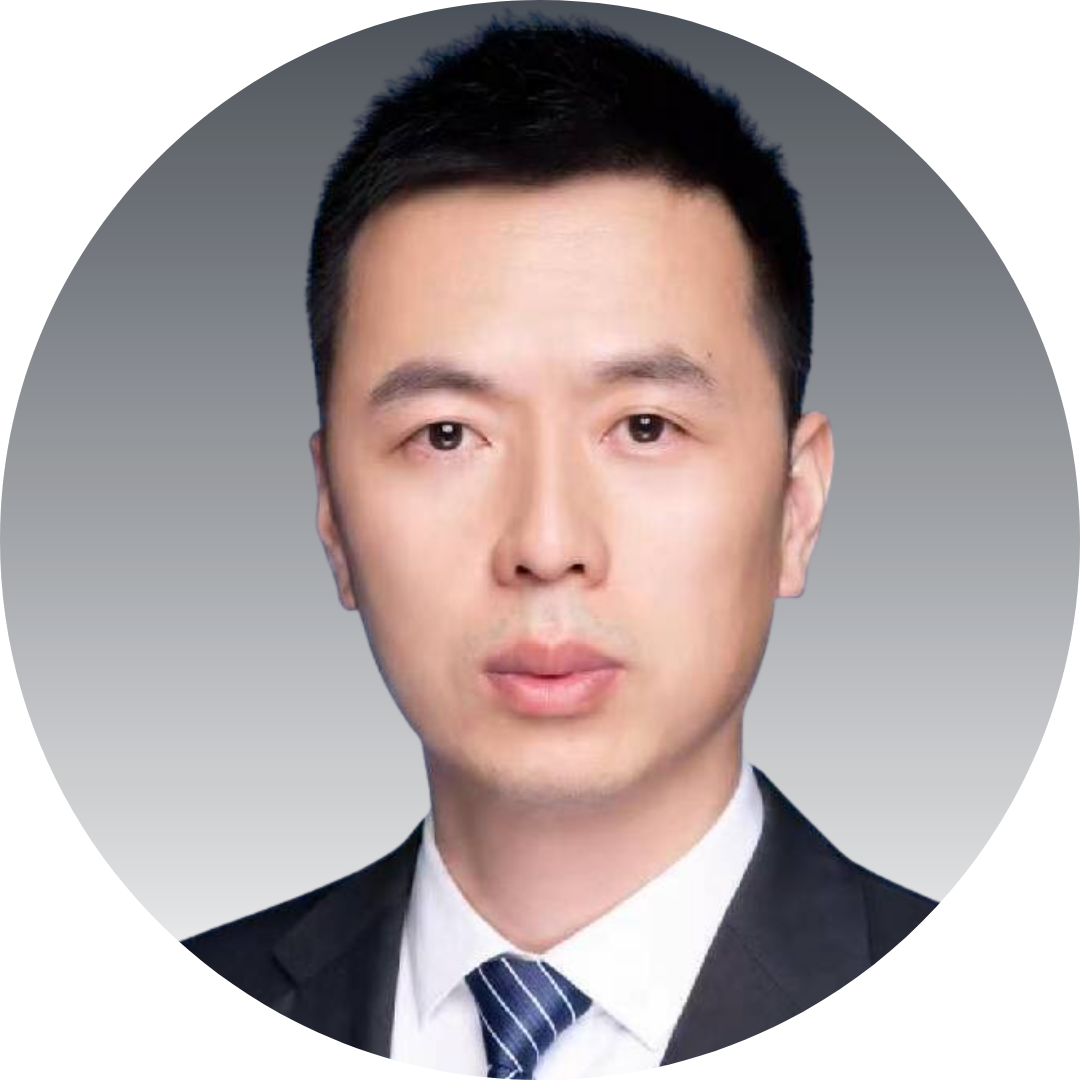 Junjie Hu
North China Electric Power University, China
Biography: TBD
Speech Title: TBD
Abstract: TBD